
Most garage break-ins don't involve smashing anything. Burglars use a handful of well-known tricks to slip the emergency release, pry the door, or exploit an old opener — and every one of them has a simple fix. Here's what actually goes wrong and what stops it.
The coat hanger and zip tie trick
Nearly every garage door has an emergency release cord hanging from the trolley, meant to let you open the door manually during a power outage. The problem: on many doors, there's a gap at the top corner wide enough to slide a stiff wire, a coat hanger, or a zip tie through. Once inside, the intruder hooks the release cord and pulls, disconnecting the door from the opener. From there the door lifts by hand in seconds.
This is quiet, fast, and leaves no forced-entry marks — which is exactly why it's a favorite. A $10 shield that blocks the cord from being reached through the gap, or rerouting the release higher and at an angle, closes this off completely.
Brute force and lifting attacks
Older doors, especially ones with aging springs or tracks that have swelled from humidity, can be lifted or pried with surprisingly little effort. If the bottom seal has gapped from moisture swelling or the tracks have shifted, there's often just enough play for a pry bar to get a start. Once the door flexes, weak or rusted hinges and rollers give way faster than you'd expect.
Doors that are properly tensioned, with tracks aligned and hardware free of rust, resist this kind of force far better. Salt air near the coast accelerates corrosion on hinges, rollers, and lock hardware, so what looks like a minor rust spot can actually be a weak point under stress.
Windows, side doors, and exposed wiring
Decorative windows in a garage door look nice but give anyone outside a clear view of your car, tools, and whether the door is manually unlocked. A side pedestrian door into the garage is often the actual weak point — flimsier lock, less visible from the street, and easy to kick if the frame isn't reinforced. Exposed opener wiring near an accessible wall can also be cut to disable the system before someone forces the door by hand.
Opener vulnerabilities
Older fixed-code openers broadcast the same signal every time, which can be captured with inexpensive code-grabbing devices and replayed later. Rolling-code openers (the standard on anything installed in the last couple decades) generate a new code each use, making that method far less effective — but only if the opener is actually rolling-code and the batteries in backup systems haven't failed quietly during a storm outage.
Habits that close the gaps
- Never leave the garage door cracked open for airflow on humid days — it's an open invitation, and it also lets moisture and salt air in, which speeds up rust on springs and tracks.
- Keep the remote out of visible sight in the car; a parked car with a clipped-on visor remote is a standing invitation.
- Lock the side door with a deadbolt, not just a knob lock.
- Check the emergency release gap and add a shield or guard if a hand or tool could reach it.
- After any storm, inspect the bottom seal and track alignment — gaps from wind-driven rain or shifted tracks can become leverage points.
Hardware worth upgrading
A rolling-code opener, a slide bolt or garage door lock that engages the track, and a reinforced strike plate on the side door are the three upgrades that address the most common entry methods directly. None of them are expensive relative to the cost of a break-in, and they work with the kind of door most homes already have.
When to call Miami Garage Door
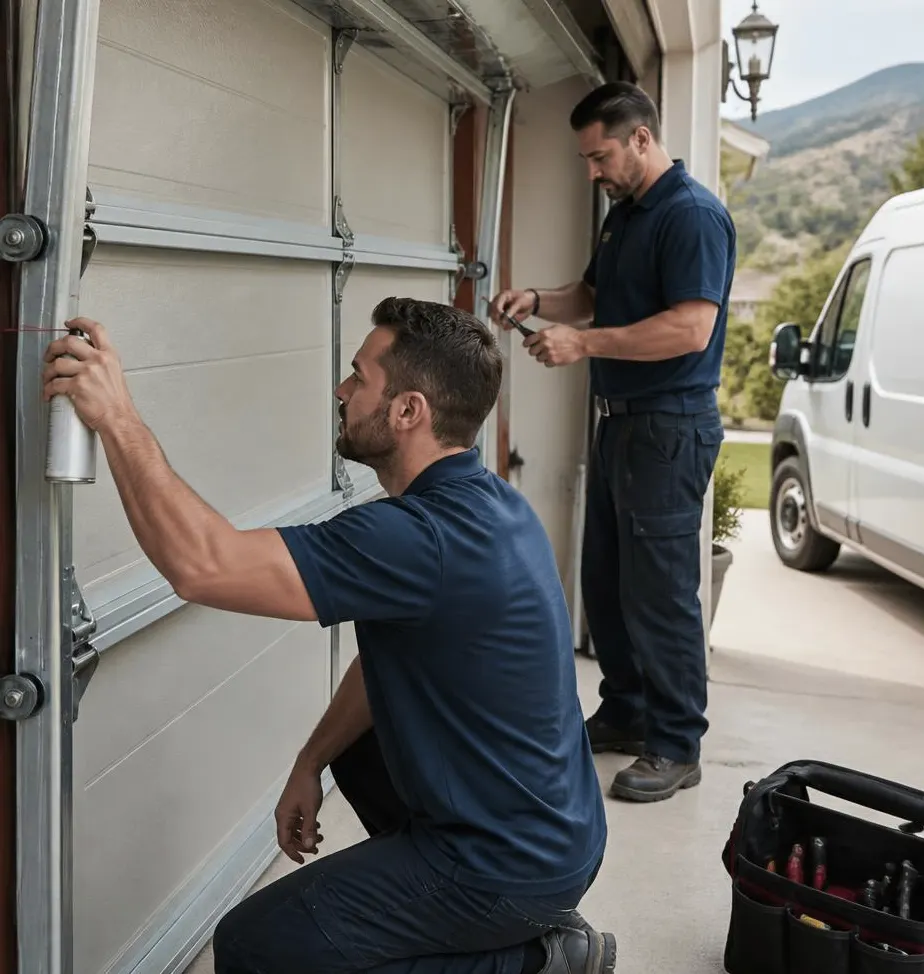
If your emergency release gap looks exploitable, your tracks have shifted, or your opener is old enough that you're not sure if it's rolling-code, it's worth a visit. Miami Garage Door handles both Opener Repair & Installation and Garage Door Maintenance, checking tracks, hardware, and release mechanisms for exactly these weak points, then fixing or upgrading what needs it.
If you're in Miami, Kendall, Doral, or anywhere nearby and want your garage door checked for these vulnerabilities, call Miami Garage Door today.